Back to Blog
What Makes a Good Customer Experience at a Dealership?
Dealership customer experience is driven by speed, clarity, and responsiveness. Here’s what actually impacts retention and satisfaction.
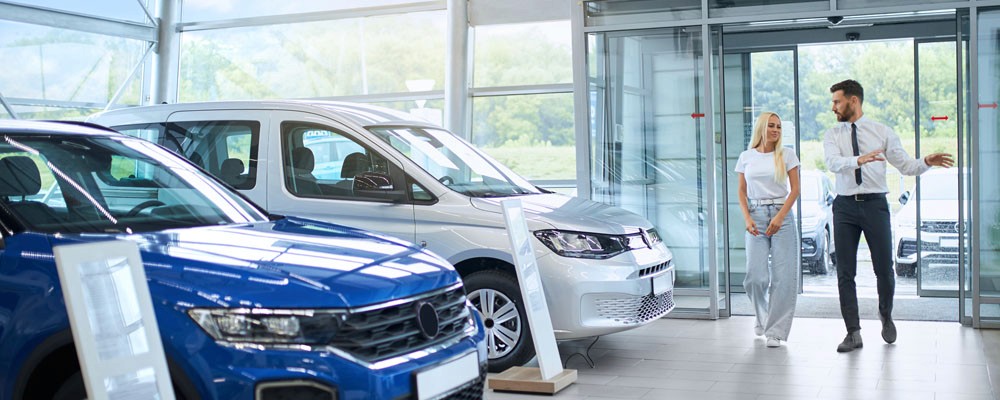
Customer experience in dealerships has traditionally been associated with environment, service quality, and personal interaction. Those elements still matter, but they are no longer the only primary drivers of satisfaction. Customer expectations are shifting and being shaped by experiences in other industries where speed and convenience are standard. That shift has changed what “good” looks like.
What Customers Evaluate, Even If They Don’t Say It
Most customers won’t explicitly define what a good experience means. They’ll describe it indirectly, based on whether something felt easy or frustrating.
In practice, that evaluation tends to come down to three factors:
How quickly they were able to take action
How clearly information was communicated
How reliably the dealership responded when needed
These factors influence perception more than any physical or interpersonal detail.
Where Experience Breaks Down
In many cases, the breakdown isn’t dramatic: a call that isn’t answered right away. A delay in booking. A lack of clarity around timing or cost. Each of these introduces friction.
Individually, they seem manageable. Collectively, they shape the overall experience.
Customer experience is often treated as a branding or training initiative. In reality, it is largely operational and determined by how consistently the dealership can handle inbound communication, provide timely information, and enable customers to act without delay. When those elements are in place, experience improves naturally.
A Practical Standard
A strong customer experience is one where the customer can move through the process without needing to follow up, wait excessively, or seek clarification. This standard is straightforward, but it requires consistency across multiple touchpoints.
Share Article
More Articles